
If you’ve ever received a welcome email seconds after signing up for a newsletter, been reminded about items left in an online shopping cart or gotten a follow-up message after a consultation call, you’ve experienced marketing automation firsthand. Most people don’t notice it. That’s the point. When marketing automation is set up correctly, it feels like a business that genuinely pays attention. It feels personal, timely, and relevant. Behind the scenes, however, it’s a structured system doing exactly what it was built to do: communicating consistently, without anyone having to press send manually. This article breaks down real-world marketing automation examples across different business types, so you can see how it works in practice and identify where it could work for yours.
Contents
ToggleWhat Is Marketing Automation?
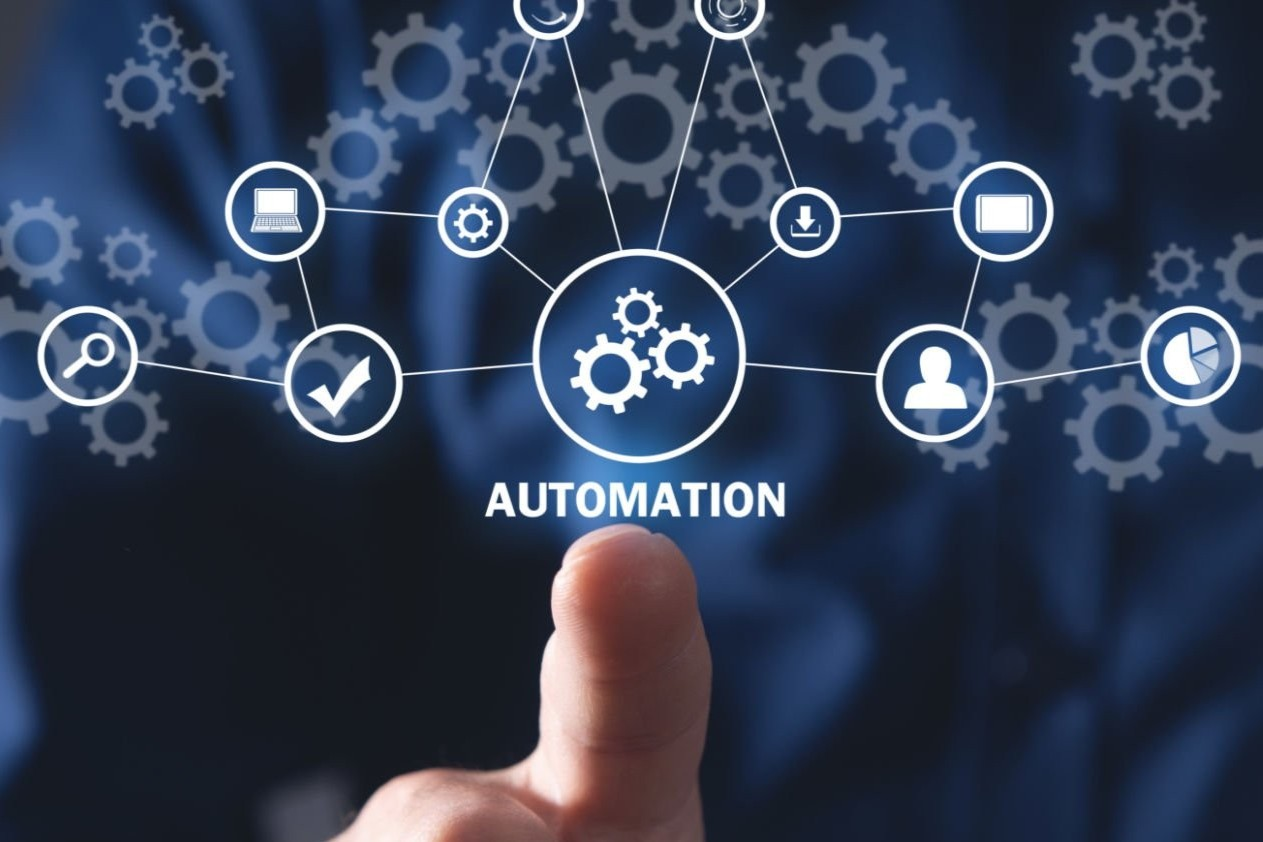
Marketing automation refers to the use of software to execute, manage, and track marketing communication automatically. Triggered by specific actions, behaviours, time intervals, or customer journey stages. It is not about removing the human element from communication. It is about ensuring that the right communication reaches the right person at the right time, every time, without depending on someone to remember to do it manually. Done well, marketing automation creates a consistent customer experience that builds trust, nurtures relationships, and converts leads into paying clients.
Welcome Email Sequences
- The example: A business coach launches a free downloadable guide on their website. When someone downloads it, they are automatically added to an email sequence. Over the following two weeks, they receive a series of emails: a welcome message, a value-packed follow-up with additional resources, a story about the coach’s methodology, and eventually an invitation to book a discovery call.
- Why it works: Most leads are not ready to buy the moment they first encounter a business. A welcome sequence keeps the conversation going after the initial interaction, builds familiarity and trust, and moves the prospect along the customer journey without any manual effort from the business owner.
- Who uses this: Coaches, consultants, online course creators, service-based businesses, and any business with a lead magnet or free resource.
Abandoned Cart Emails
- The example: An online retail store notices that a significant percentage of visitors add products to their cart but leave without completing the purchase. The store sets up an automated abandoned cart sequence. A reminder email is sent one hour after abandonment, a follow-up 24 hours later highlighting the product benefits, and a final email 72 hours later offering a limited-time discount.
- Why it works: Customers abandon carts for many reasons, such as distraction, price comparison, or simply needing more time. An abandoned cart sequence re-engages them at precisely the right moment, often recovering sales that would otherwise be permanently lost.
- The result: E-commerce businesses that implement abandoned cart automation consistently report meaningful increases in recovered revenue. It is one of the highest-return automation sequences available to online retailers.
- Who uses this: E-commerce stores, online product businesses, and any business with a digital checkout process.
Lead Nurture Sequences
- The example: A digital marketing agency runs a paid advertising campaign that drives traffic to a landing page offering a free website audit. Visitors who complete the form receive an automated sequence over 30 days: educational content about common website mistakes, case studies showing results the agency has achieved, answers to frequently asked questions, and a direct invitation to book a consultation.
- Why it works: Not every lead is ready to engage immediately. A nurture sequence keeps the agency visible and relevant over time, building the relationship progressively. By the time a prospect receives the consultation invitation, they already understand the agency’s expertise and approach.
- Who uses this: Marketing agencies, service-based businesses, B2B companies, and any business with a longer sales cycle.
Client Onboarding Automation
- The example: A graphic design studio signs a new client. The moment the contract is signed, an automated onboarding sequence begins: a welcome email with project timelines and next steps, a link to complete a brand questionnaire, a calendar invitation for the kick-off call, and a follow-up reminder 24 hours before the meeting.
- Why it works: Manual onboarding is inconsistent. Some clients get a thorough introduction; others fall through the cracks during a busy period. Automated onboarding ensures every client receives the same professional experience regardless of how many projects are running simultaneously.
- The result: Clients feel confident and informed from the start, reducing the back-and-forth that typically slows down project initiation and erodes trust.
- Who uses this: Creative agencies, consultants, professional service providers, and any business with a client delivery process.
Re-Engagement Campaigns
- The example: A software company notices that a portion of its email list has not opened or clicked any emails in the past 90 days. Rather than continuing to send to disengaged contacts, which damages email deliverability, the company sets up an automated re-engagement campaign. Inactive subscribers receive a sequence of three emails: a “we’ve missed you” message with a valuable resource, a direct question asking what kind of content they’d find useful, and a final email giving them the option to stay subscribed or unsubscribe.
- Why it works: An unengaged email list is a liability, not an asset. Re-engagement campaigns either reactivate dormant contacts or remove those who are genuinely no longer interested, improving list quality, deliverability rates, and the overall performance of future campaigns.
- Who uses this: Any business with an email list, particularly those that have been building one for more than six months.
Post-Purchase Follow-Up
- The example: An online skincare brand sets up a post-purchase automation sequence. After a customer places an order, they receive a confirmation email with delivery tracking. Five days after delivery, they receive a follow-up asking how they’re enjoying the product and linking to usage tips. Two weeks later, they receive a replenishment reminder highlighting the product they purchased, along with complementary products they might find useful.
- Why it works: The moment after a purchase is one of the highest-trust points in the customer relationship. Most businesses stop communicating here. The ones that don’t but continue to add value after the transaction build the kind of loyalty that generates repeat purchases and referrals without additional acquisition spend.
- Who uses this: E-commerce businesses, subscription services, health and wellness brands, and any product-based business with repeat purchase potential.
Appointment Reminders and Follow-Ups
- The example: A business consultant uses an automated booking system. When a client schedules a consultation, they immediately receive a confirmation email with the meeting details. Twenty-four hours before the appointment, an automated reminder is sent. If the client attended the meeting, they receive a follow-up email the next day summarising what was discussed and outlining the proposed next steps. If they didn’t attend, a different automated sequence sends a rescheduling invitation.
- Why it works: No-shows are expensive and time-consuming. A simple automated reminder sequence dramatically reduces them. The post-meeting follow-up adds professionalism, keeps the momentum going, and moves the prospect towards a decision without requiring the consultant to track every interaction manually.
- Who uses this: Consultants, coaches, healthcare providers, financial advisors, and any business that operates on an appointment basis.
Social Media Scheduling
- The example: A small business owner plans and creates a month’s worth of social media content in one sitting. Using a scheduling tool, they automate the publishing of posts across Instagram, LinkedIn, and Facebook. Each timed to go out when its audience is most active. The tool also tracks engagement and surfaces which post types are generating the most interaction.
- Why it works: Consistent social media presence requires consistent effort. Most small business owners cannot show up every day to manually publish content; competing priorities always get in the way. Scheduling automation removes that dependency, ensuring the business remains visible and active even during the busiest periods.
- Who uses this: Entrepreneurs, small business owners, content creators, and any business trying to maintain a consistent social media presence without a dedicated team.
Lead Scoring and CRM Automation
- The example: A B2B software company uses a CRM with built-in lead scoring. Every time a prospect visits the pricing page, opens an email, downloads a resource, or attends a webinar, their lead score increases automatically. When a prospect reaches a defined score threshold, the system automatically notifies the sales team and triggers a personalised outreach sequence tailored to their stage in the decision-making process.
- Why it works: Not all leads deserve the same level of attention at the same time. Lead scoring ensures that sales efforts are directed towards the prospects most likely to convert, based on their actual behaviour, and not assumptions. This improves conversion rates and prevents good leads from going cold while the team is focused elsewhere.
- Who uses this: B2B businesses, SaaS companies, professional service firms, and any business managing a high volume of leads across a longer sales cycle.
Birthday and Anniversary Campaigns
- The example: A restaurant group collects customer birthdays through their loyalty programme. Each year, members automatically receive a personalised birthday email with a complimentary meal offer valid for the week of their birthday. The campaign runs entirely on autopilot and consistently generates one of the highest redemption rates of any promotion the business runs.
- Why it works: People notice when a business remembers them as individuals. A birthday message feels personal, even when the recipient knows it’s automated, because it is relevant to them specifically. The goodwill it generates, combined with the direct incentive, makes it one of the most cost-effective customer retention tactics available.
- Who uses this: Restaurants, retail businesses, wellness brands, membership organisations, and any business with a loyalty programme or customer database.
What These Examples Have in Common
Looking across all ten examples, a clear pattern emerges. The most effective marketing automation shares three characteristics:
- It is triggered by behaviour or context, not just time. The best automation responds to what a customer actually does, downloading a resource, abandoning a cart, reaching a lead score threshold, rather than sending generic messages on a fixed schedule.
- It delivers value at every touchpoint. Automation that exists purely to sell rarely performs well. Automation that educates, informs, reminds, or rewards builds the kind of trust that makes selling easier over time.
- It is part of a structured system, not a standalone tactic. A single automated email sequence is useful. A connected ecosystem of sequences, covering lead generation, nurturing, onboarding, retention, and re-engagement, is transformative.
The Mistake Most Businesses Make with Marketing Automation
The biggest mistake is treating automation as a shortcut rather than a system. Businesses that set up one or two automations and expect them to carry their entire marketing strategy are consistently disappointed. Automation amplifies what already exists. If the underlying communication strategy is unclear, automation will simply deliver unclear messages faster and at greater scale. The businesses that get the most from marketing automation are the ones that start with a structured communication strategy, a clear understanding of their customer journey, their messaging, and the role each communication plays, and then use automation to deliver that strategy consistently.
Getting Started with Marketing Automation
If you are new to marketing automation, start with the highest-impact sequences for your business type:
- Service-based businesses: Welcome sequence, consultation follow-up, client onboarding automation.
- E-commerce businesses: Abandoned cart sequence, post-purchase follow-up, re-engagement campaign.
- Coaches and consultants: Lead nurture sequence, booking reminders, post-session follow-up.
- B2B businesses: Lead scoring automation, nurture sequences, proposal follow-up.
Build one sequence, test it, refine it, and then expand. The goal is a communication system where every stage of the customer journey is covered automatically, consistently, and without relying on someone to remember to follow up.
Cream Corporation helps businesses design and implement marketing automation systems as part of a complete communication infrastructure. Learn about the Cream Communication System™, or Book a Strategy Consultation to discuss your automation needs.